AI Researcher | Biomedical Machine Learning | Deep Learning
I am a researcher specializing in artificial intelligence and machine learning for biomedical applications. My research focuses on developing deep learning models for medical image analysis, disease prediction, and clinical decision support systems.
Research Areas: Medical Image Analysis | Explainable AI | Healthcare AI | Deep Learning | Computer Vision
I am a dedicated researcher with a passion for advancing healthcare through artificial intelligence and machine learning. My research focuses on developing deep learning models for biomedical applications, including medical image analysis, disease prediction, and clinical decision support systems.
I have co-authored multiple research papers published in international conferences (IEEE) and preprint platforms (medRxiv), with expertise in convolutional neural networks (CNNs), ensemble methods, and explainable AI. My work aims to bridge the gap between AI research and clinical practice, contributing to improved healthcare outcomes through data-driven solutions.
My research approach combines state-of-the-art deep learning architectures with rigorous experimental validation on real-world medical datasets. I specialize in developing interpretable AI systems that provide transparent decision-making processes for clinical applications, ensuring both high accuracy and clinical trustworthiness.
Degree: BSc (Hons) Data Science
Classification: Second Upper Class (2:1)
Institution: University of Plymouth, UK
Research Focus: Biomedical AI
Publications: 5+ papers
Status: Available for collaborations
Developing deep learning models for analyzing medical images including CT scans, X-rays, and retinal fundus images for disease detection and diagnosis.
Building AI systems for clinical decision support, disease prediction, and healthcare analytics to improve patient outcomes and medical workflows.
Developing interpretable AI models using techniques like Grad-CAM visualization to make AI decisions transparent and clinically interpretable.
Researching advanced deep learning architectures including CNNs, ensemble methods, and transfer learning for biomedical applications.
Analyzing biomedical signals including lung sounds, ECG, and other physiological signals for disease classification and monitoring.
Developing machine learning models for predicting disease risk, treatment outcomes, and patient prognosis using clinical and imaging data.
Recent research achievements, publications, and academic milestones
2026 February 3
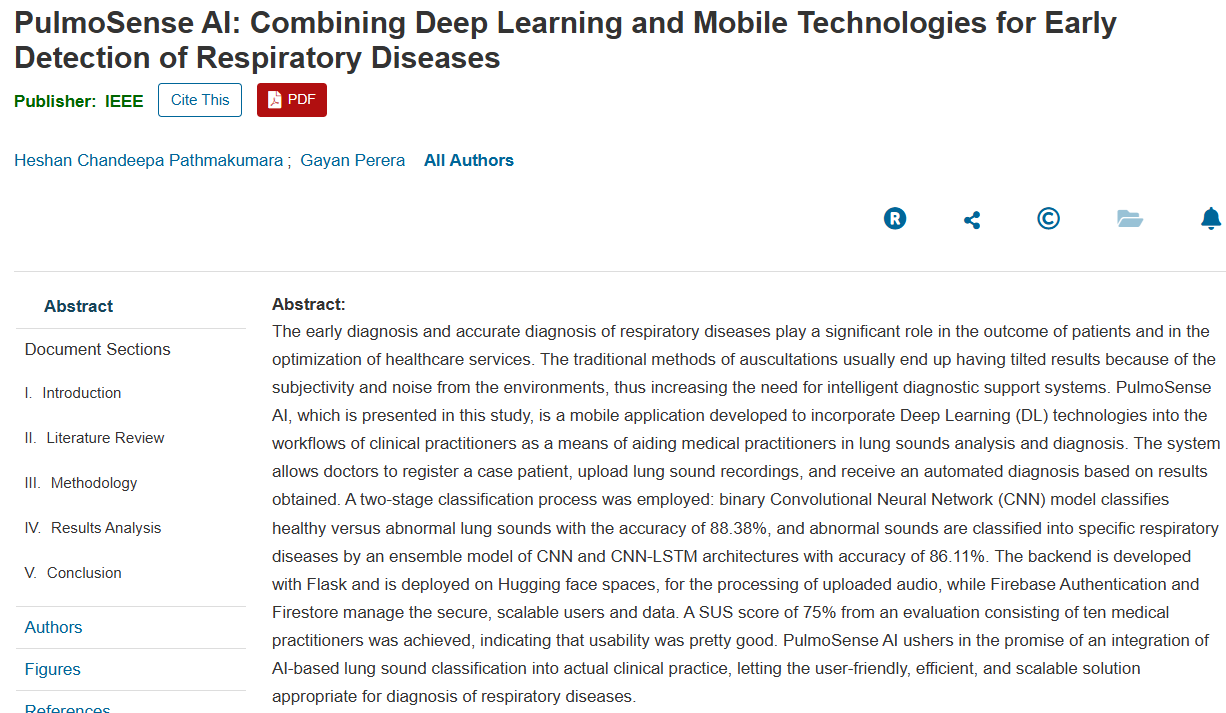
Our paper, "PulmoSense AI: Combining Deep Learning and Mobile Technologies for Early Detection of Respiratory Diseases", co-authored by me and my supervisor Mr. Gayan Perera, has been published in IEEE Xplore!
This research presents a mobile application that integrates deep learning technologies for lung sound analysis and diagnosis. The system employs a two-stage classification process: a binary CNN model achieving 88.38% accuracy for healthy versus abnormal lung sounds, and an ensemble model (CNN and CNN-LSTM) achieving 86.11% accuracy for specific respiratory disease classification. The application achieved a SUS score of 75% from medical practitioners, demonstrating good usability for clinical practice.
2026 January 29
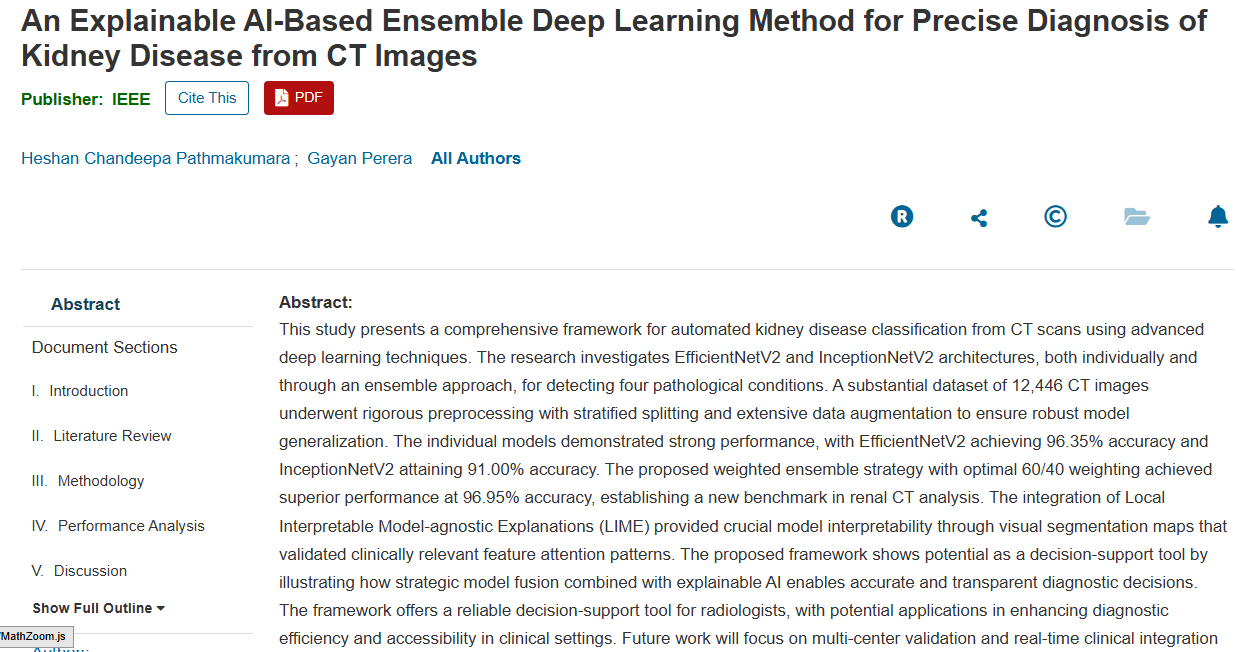
Our paper, "An Explainable AI-Based Ensemble Deep Learning Method for Precise Diagnosis of Kidney Disease from CT Images", co-authored by me and my supervisor Mr. Gayan Perera, has been published in IEEE Xplore!
This study presents a comprehensive framework for automated kidney disease classification from CT scans using EfficientNetV2 and InceptionNetV2 architectures. The proposed weighted ensemble strategy achieved superior performance at 96.95% accuracy, establishing a new benchmark in renal CT analysis. The integration of LIME (Local Interpretable Model-agnostic Explanations) provided crucial model interpretability through visual segmentation maps, validating clinically relevant feature attention patterns.
2025 December 11
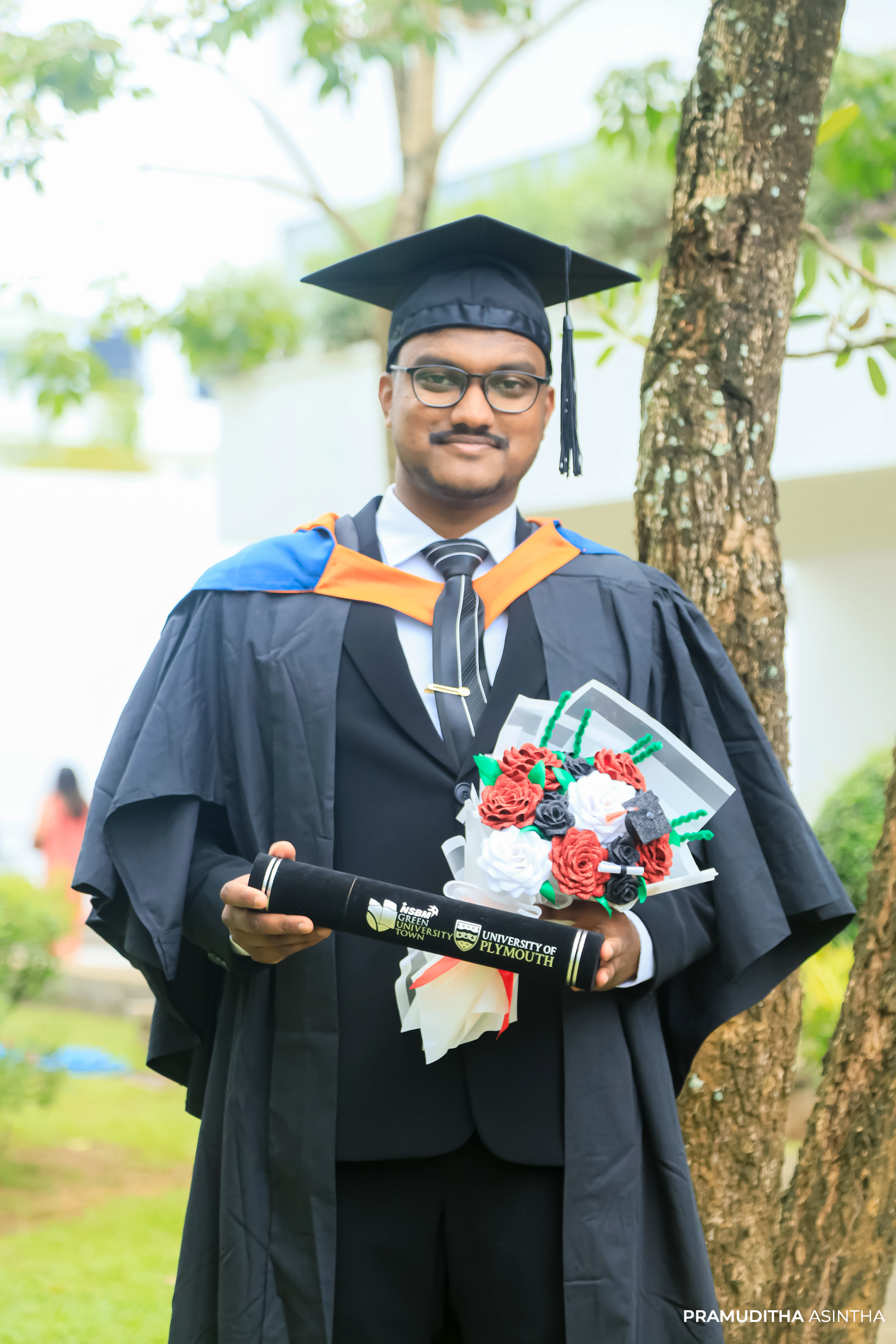
I am delighted to announce that I have successfully graduated from the University of Plymouth, UK, with a BSc (Hons) in Data Science with Second Upper Class (2:1) honours on December 11, 2025.
This marks a significant milestone in my academic journey, where I have developed expertise in data science, machine learning, and artificial intelligence, with a particular focus on biomedical applications and healthcare AI research.
2025 October
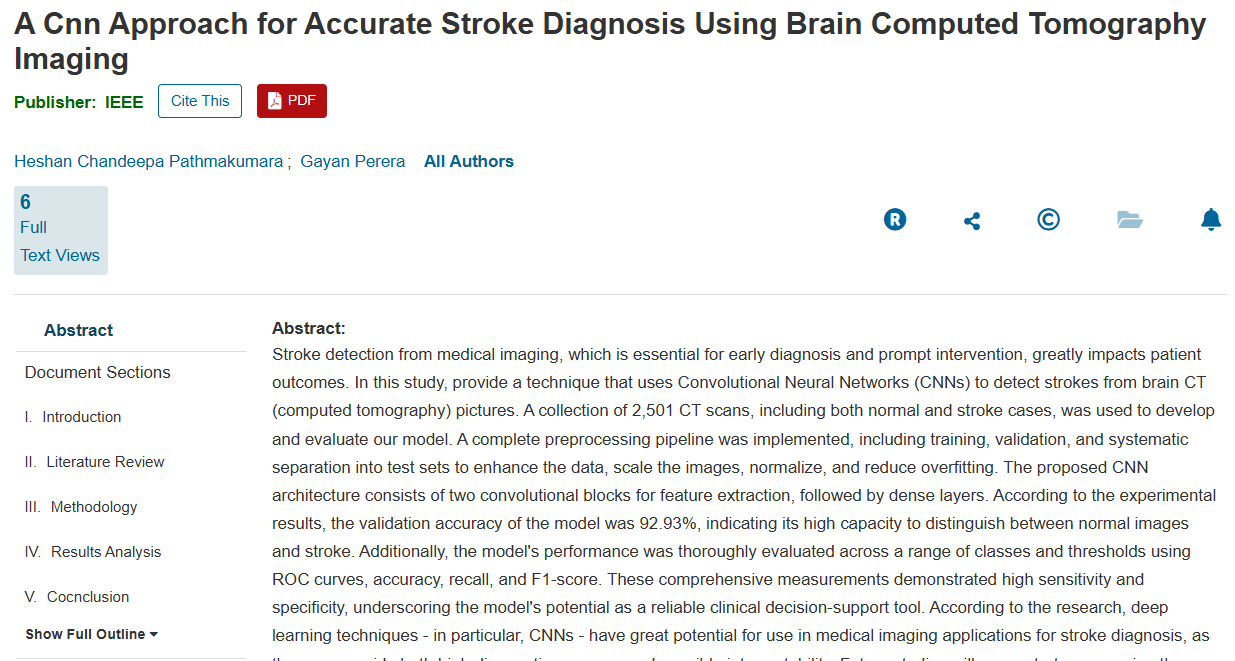
Our paper, "A CNN Approach for Accurate Stroke Diagnosis Using Brain Computed Tomography Imaging", co-authored by me and my supervisor Mr. Gayan Perera, has been published in the IEEE 2025 MIUCC Conference Proceedings.
This study introduces a CNN-based technique for detecting strokes from brain CT (computed tomography) images using a dataset of 2,501 scans, including both normal and stroke cases. The proposed model achieved a validation accuracy of 92.93%, demonstrating its high capability to distinguish between normal and stroke images. The evaluation metrics — including ROC curves, accuracy, recall, and F1-score — confirmed the model’s potential as a reliable clinical decision-support tool.
2025 October
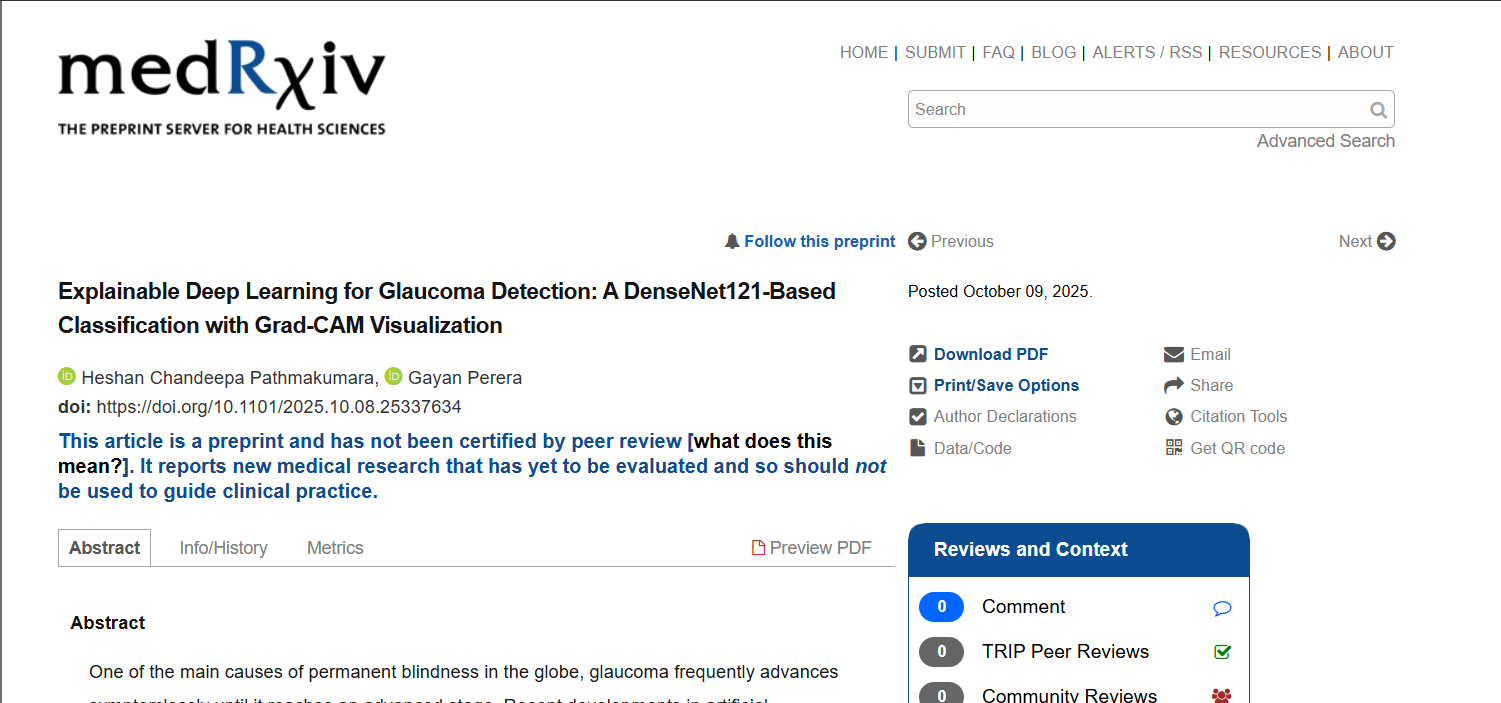
Our paper, "Explainable Deep Learning for Glaucoma Detection: A DenseNet121-Based Classification with Grad-CAM Visualization", co-authored by me and my supervisor Mr. Gayan Perera, has been published as a preprint in medRxiv!
This research presents an explainable AI system that detects glaucoma from retinal fundus images with 90.16% accuracy, using Grad-CAM visualization to show which areas of the eye the model focuses on - making AI decisions transparent and clinically interpretable.
2025 May
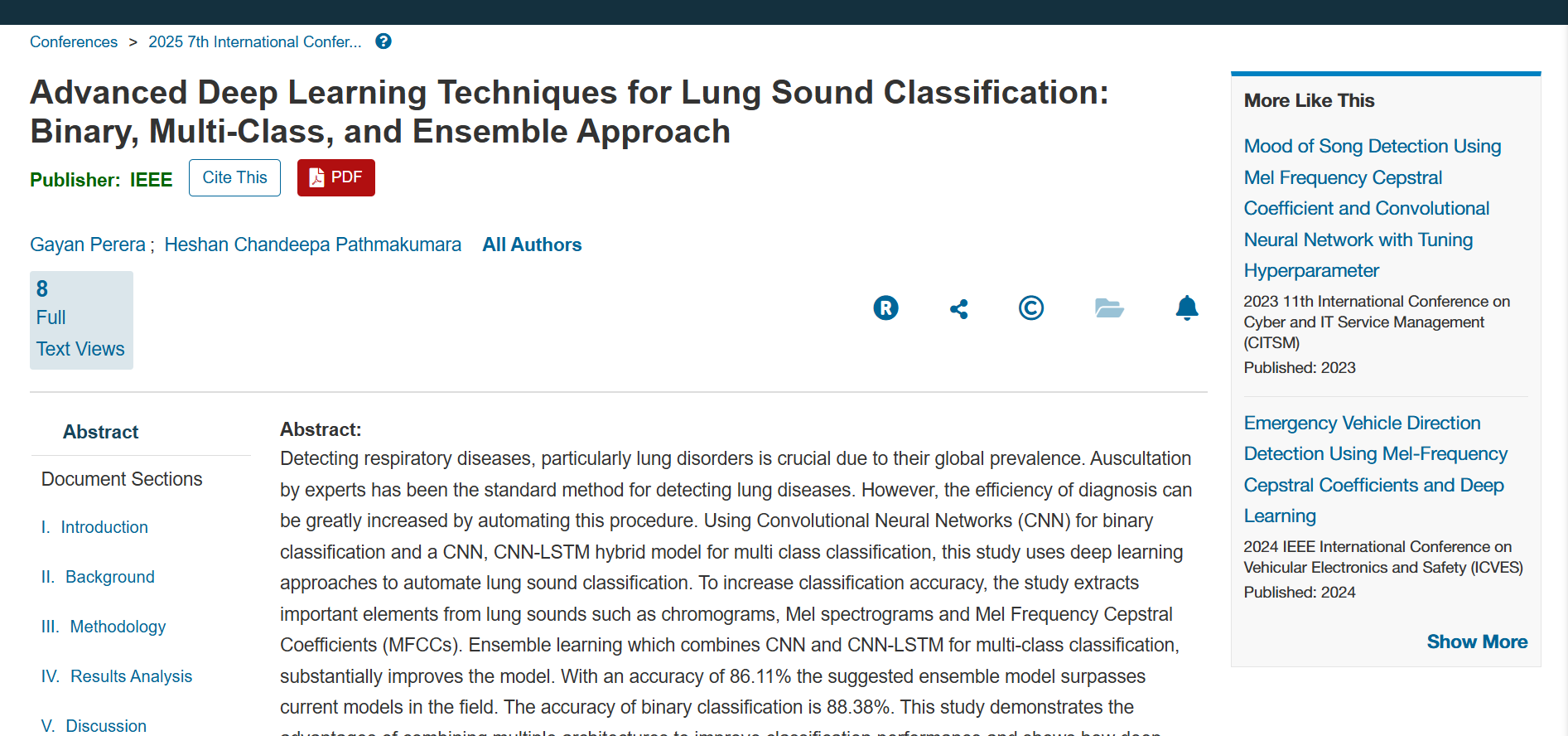
Our paper, "Advanced Deep Learning Techniques for Lung Sound Classification: Binary, Multi-Class, and Ensemble Approach", co-authored by me and my supervisor Gayan Perera, has been published in IEEE Xplore!
This research presents deep learning methods to improve lung sound classification for respiratory disease detection.
2025 May
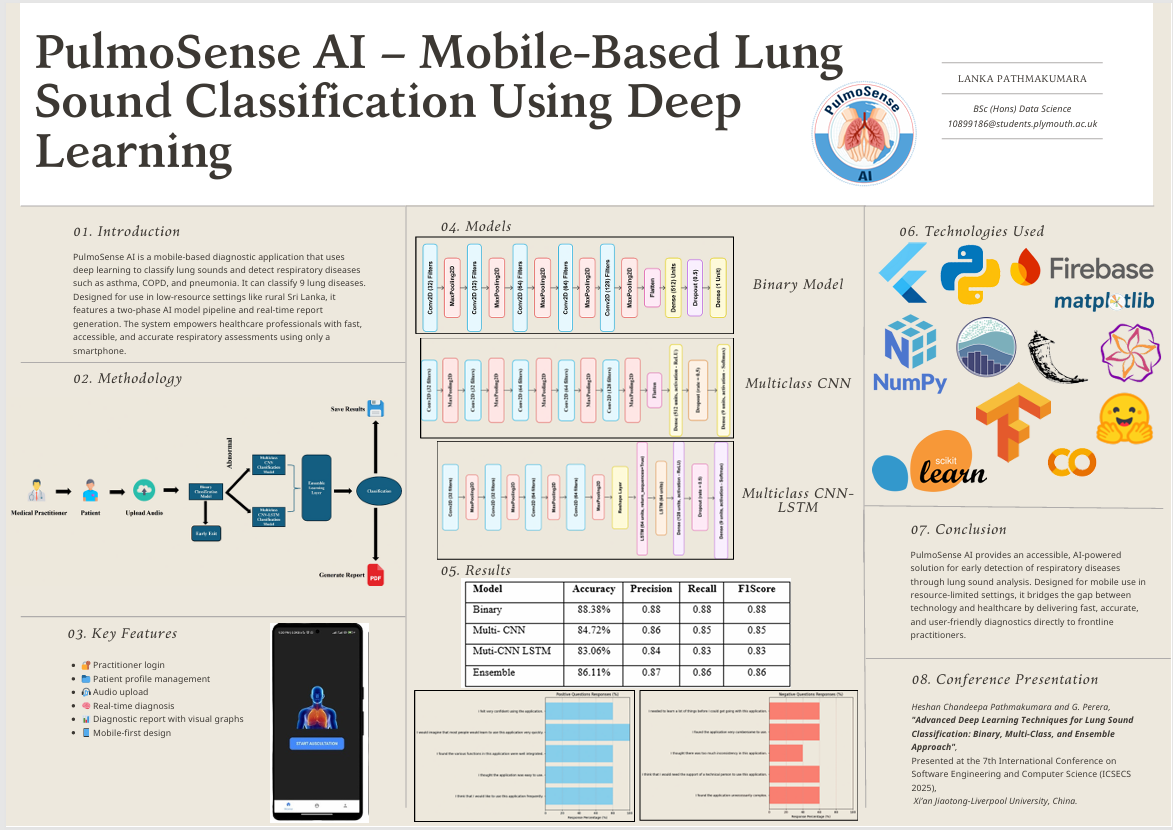
I successfully defended my final year project, " PulmoSense AI: A Deep Learning Based Lung Sound Classification System", at the poster presentation event.
It was a rewarding experience sharing my work on pulmonary disease detection using deep learning.
2025 May
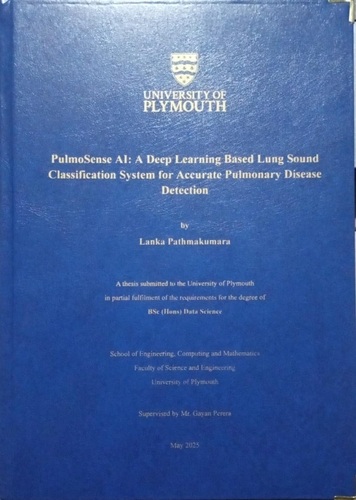
I submitted my final year thesis titled "PulmoSense AI: A Deep Learning Based Lung Sound Classification System" to the University of Plymouth, under the supervision of Mr. Gayan Perera, for my BSc (Hons) in Data Science.
2025 March
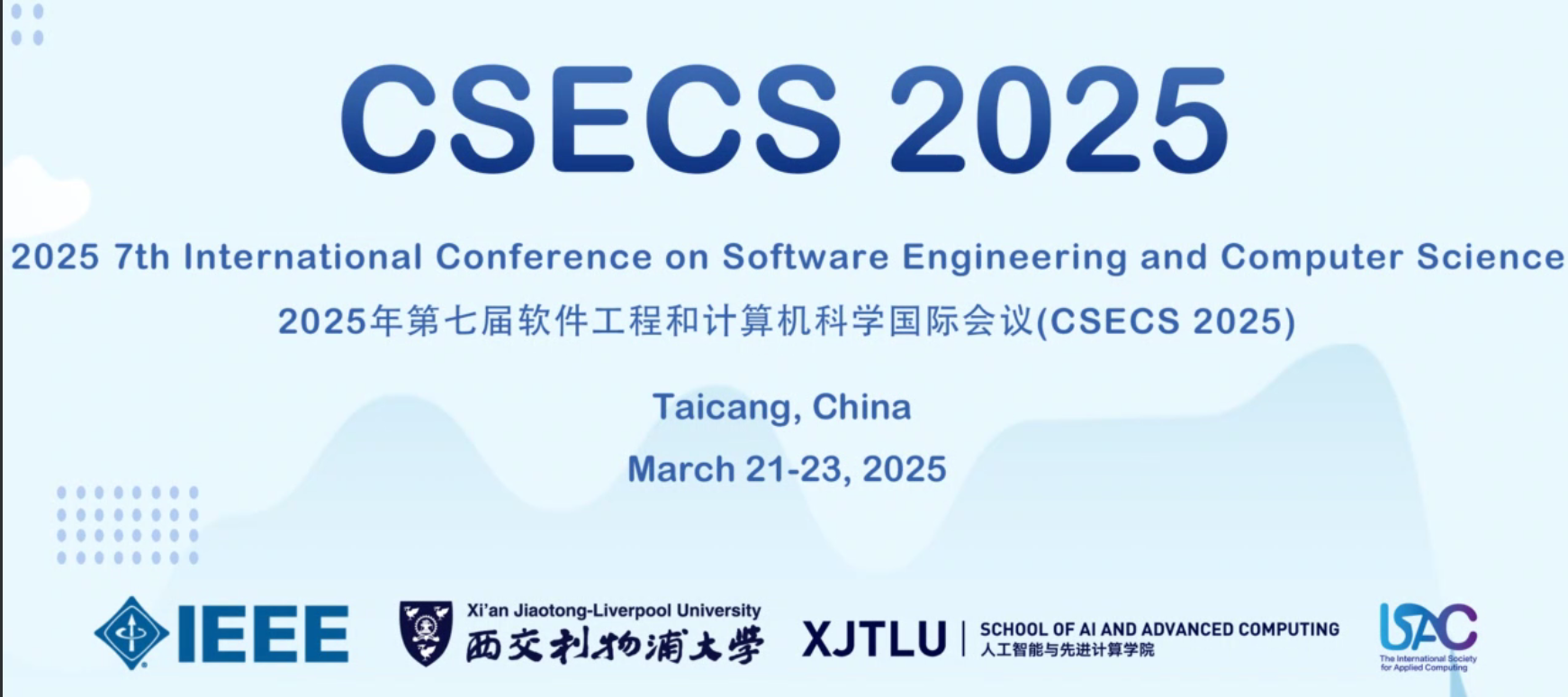
Me and my supervisor, Gayan Perera, presented our paper, "Advanced Deep Learning Techniques for Lung Sound Classification: Binary, Multi-Class, and Ensemble Approach" at the 7th International Conference on Software Engineering and Computer Science, Xi'an Jiaotong-Liverpool University, China!
Our research introduces deep learning techniques to enhance lung sound classification accuracy.
2024 October
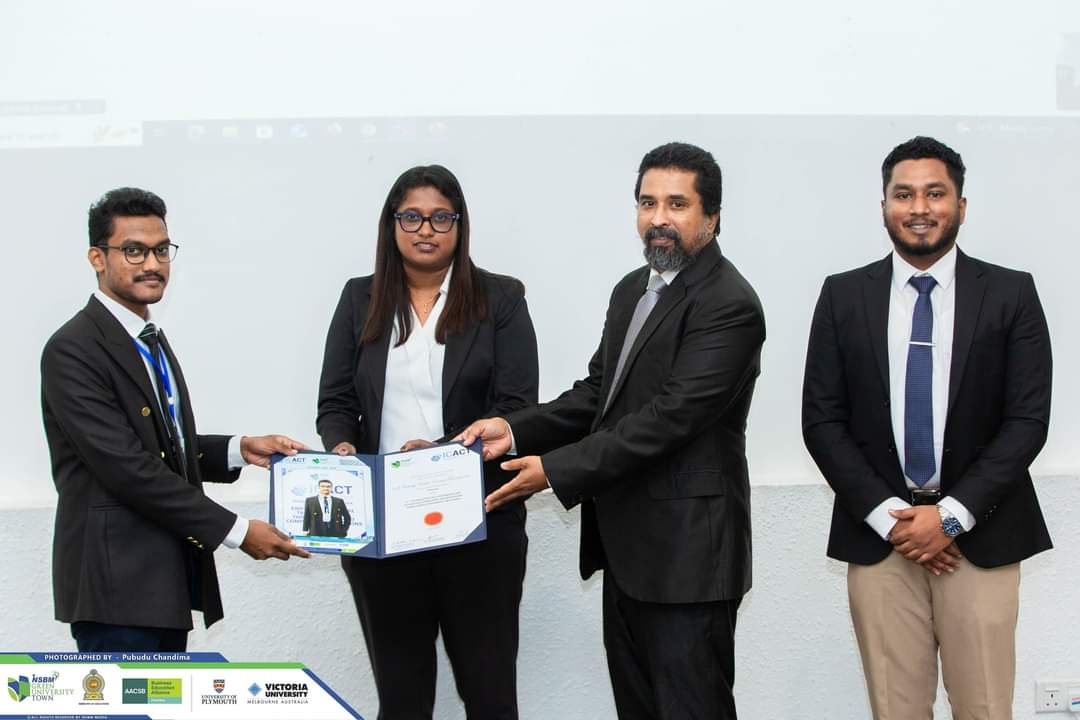
I presented & published my research, "Machine Learning Techniques for Predicting Brain Stroke Risk: Addressing Data Imbalance" at ICACT 2024!
This work explores how machine learning can tackle data imbalance challenges to improve stroke risk prediction.
September 2022 - September 2025
Degree: Bachelor of Science with Honours
Classification: Second Upper Class (2:1)
Major: Data Science
Research Supervisor: Mr. Gayan Perera
Thesis Title: "PulmoSense AI: A Deep Learning Based Lung Sound Classification System"
Conducted comprehensive research on deep learning techniques for lung sound classification, developing binary, multi-class, and ensemble approaches for respiratory disease detection.
Key Achievements:
Peer-reviewed research papers and preprints in biomedical AI and machine learning
Authors: Heshan Chandeepa Pathmakumara, Gayan Perera
Venue: 2025 5th International Conference on Digital Futures and Transformative Technologies (ICoDT2), Islamabad, Pakistan
Date Added to IEEE Xplore: 03 February 2026
DOI: 10.1109/ICoDT269104.2025.11360693
View PublicationAuthors: Heshan Chandeepa Pathmakumara, Gayan Perera
Venue: 2025 10th International Conference on Information Technology Research (ICITR)
Date Added to IEEE Xplore: 29 January 2026
DOI: 10.1109/ICITR69413.2025.11353542
View PublicationAuthors: Heshan Chandeepa Pathmakumara, Gayan Perera
Venue: IEEE 2025 MIUCC Conference Proceedings
DOI: 10.1109/MIUCC66482.2025.11196792
View PublicationAuthors: Heshan Chandeepa Pathmakumara, Gayan Perera
Venue: medRxiv (Preprint)
DOI: 10.1101/2025.10.08.25337634v1
View PreprintAuthors: Heshan Chandeepa Pathmakumara, Gayan Perera
Venue: 7th International Conference on Software Engineering and Computer Science (CSECS 2025), Xi'an Jiaotong-Liverpool University, China
IEEE Xplore: Document 11009363
View PublicationAuthors: Heshan Chandeepa Pathmakumara, R W K T Rajapaksha
Venue: International Conference on Advanced Computing Technologies (ICACT 2024)
Proceedings: ICACT 2024 Proceedings
View PublicationTechnical expertise and research methodologies
Proficient in Python for research and data science, utilizing libraries like NumPy, pandas, scikit-learn, TensorFlow, Keras, and PyTorch for deep learning research and data analysis.
Skilled in data visualization using Python, R, and Power BI, creating insightful charts and dashboards for effective data analysis.
Proficient in SQL for querying and managing databases, performing data manipulation, and generating insights through complex queries and analysis.
Experienced in statistical analysis using Python and R, performing hypothesis testing, regression, and descriptive statistics to derive actionable insights.
Experienced in ML techniques including supervised learning (SVM, Random Forest, XGBoost), ensemble methods, and handling imbalanced datasets for biomedical prediction tasks.
Expertise in deep learning frameworks (TensorFlow, Keras, PyTorch) for building and training CNNs, transfer learning, ensemble methods, and explainable AI models for biomedical applications.
Skilled in web development, including front-end and back-end technologies, building responsive websites using HTML, CSS, JavaScript, and server-side frameworks.
Strong skills in academic writing, research presentation, and communicating complex AI/ML concepts to both technical and non-technical audiences, including conference presentations.
I welcome collaborations, research opportunities, and discussions about biomedical AI, deep learning, and healthcare applications. Feel free to reach out!
Connect with me on academic and professional networks for research collaborations and discussions.